The Benefits of Signwriting Your Work Vehicle

Paul Lane • July 8, 2025

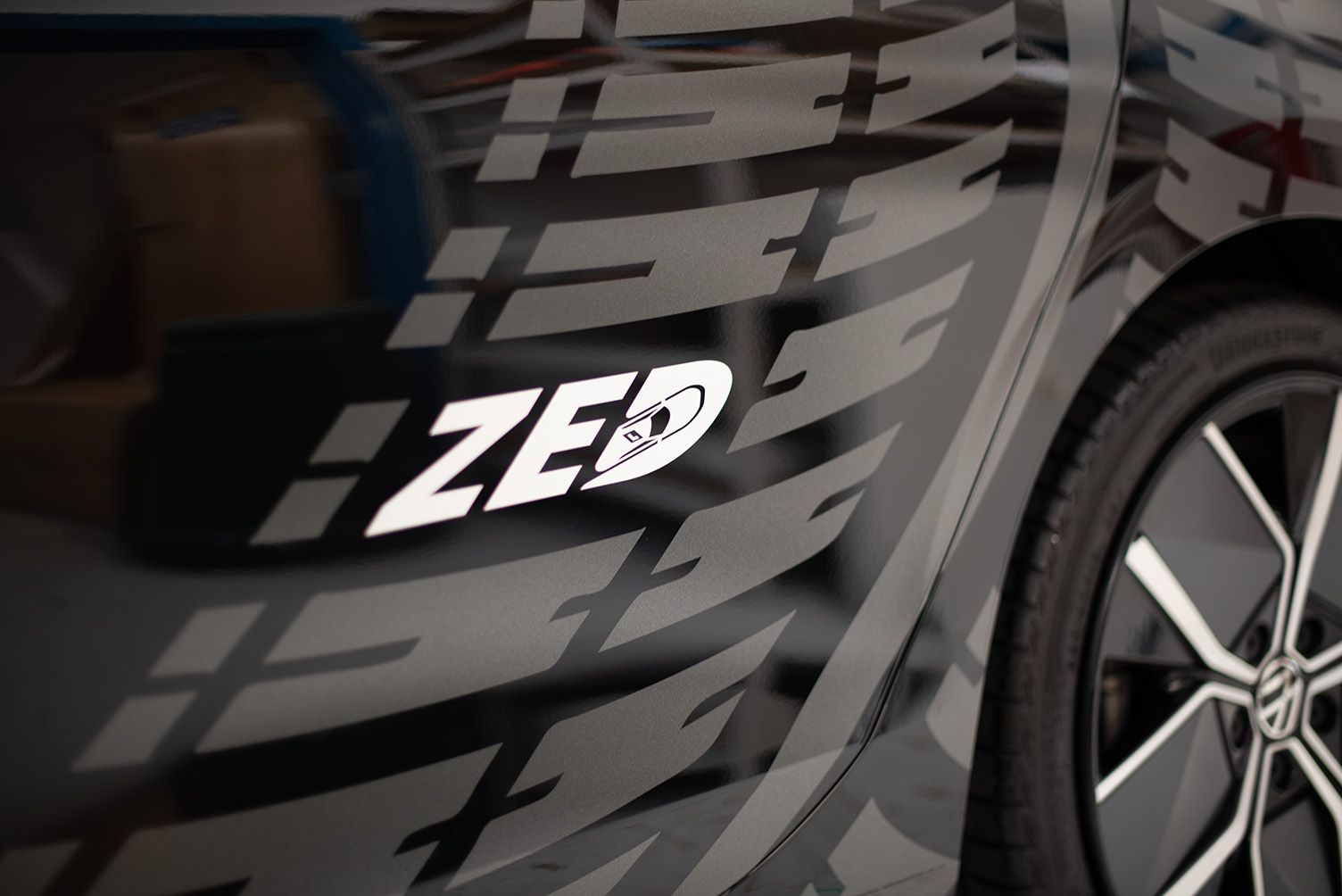
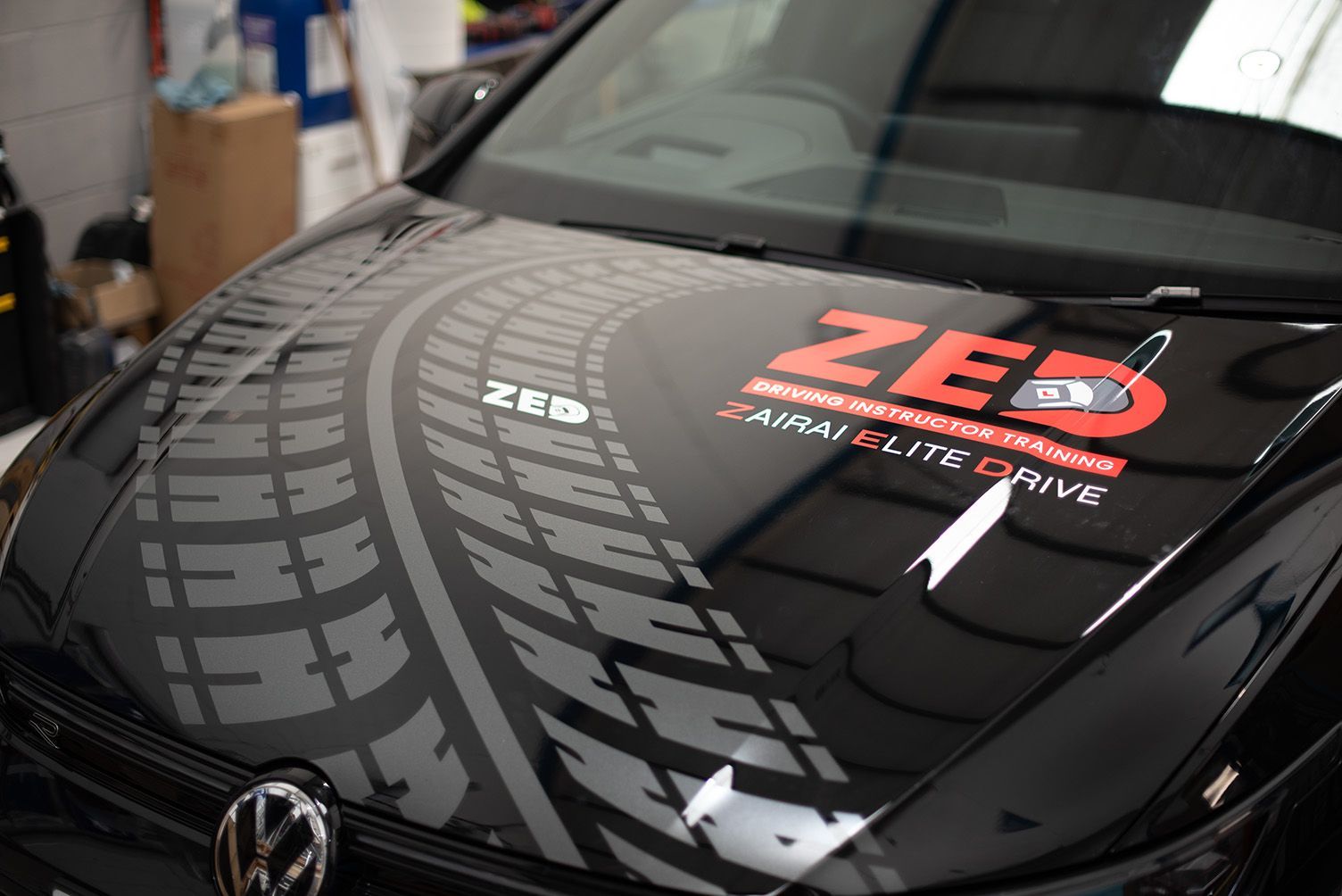
Getting your work vehicle signwritten is a smart investment that offers a multitude of benefits beyond just looking professional. It essentially turns your vehicle into a mobile billboard, constantly advertising your business wherever you go.


Boosts Brand Visibility and Recognition

Your signwritten vehicle acts as a rolling advertisement, exposing your brand to hundreds, if not thousands, of potential customers every day. Whether you're driving to a job, parked at a client's site, or just stuck in traffic, your branding is on display. This constant exposure helps to build brand recognition and keeps your business top-of-mind. The more people see your logo and contact information, the more familiar they become with your business, increasing the likelihood they'll think of you when they need your services.


Cost-Effective Advertising

Compared to other forms of advertising like print ads, radio, or television, vehicle signwriting offers excellent return on investment. Once the initial cost of design and application is covered, your vehicle works as an ongoing advertisement for years without any recurring fees. This makes it a highly economical way to market your business, especially for small and medium-sized enterprises.


Enhances Professionalism and Credibility

A professionally signwritten vehicle immediately conveys a sense of credibility and professionalism. It shows that you're a legitimate business that takes itself seriously, which can significantly influence a potential customer's decision to choose your services. It suggests reliability and trustworthiness, setting you apart from competitors who might operate with unmarked vehicles.


Generates Leads and Enquiries

With your contact details clearly displayed, your signwritten vehicle can be a direct source of new business. People can easily note down your phone number or website address, leading to direct enquiries and new leads. It acts as a constant call to action, prompting interested individuals to reach out.


Differentiates You from Competitors

In a competitive market, anything that helps you stand out is valuable. A distinctive and well-designed vehicle wrap makes your business memorable and unique. It helps potential customers quickly identify and remember your services, giving you a competitive edge.


Localised Marketing Power

Your work vehicle primarily operates within your service area, making signwriting an incredibly effective form of localised marketing. You're directly reaching people in the communities where your potential customers live and work, making your advertising efforts highly targeted and efficient.


In essence, signwriting your work vehicle is a powerful, passive, and pervasive marketing tool that works for you 24/7, driving awareness, leads, and ultimately, growth for your business.

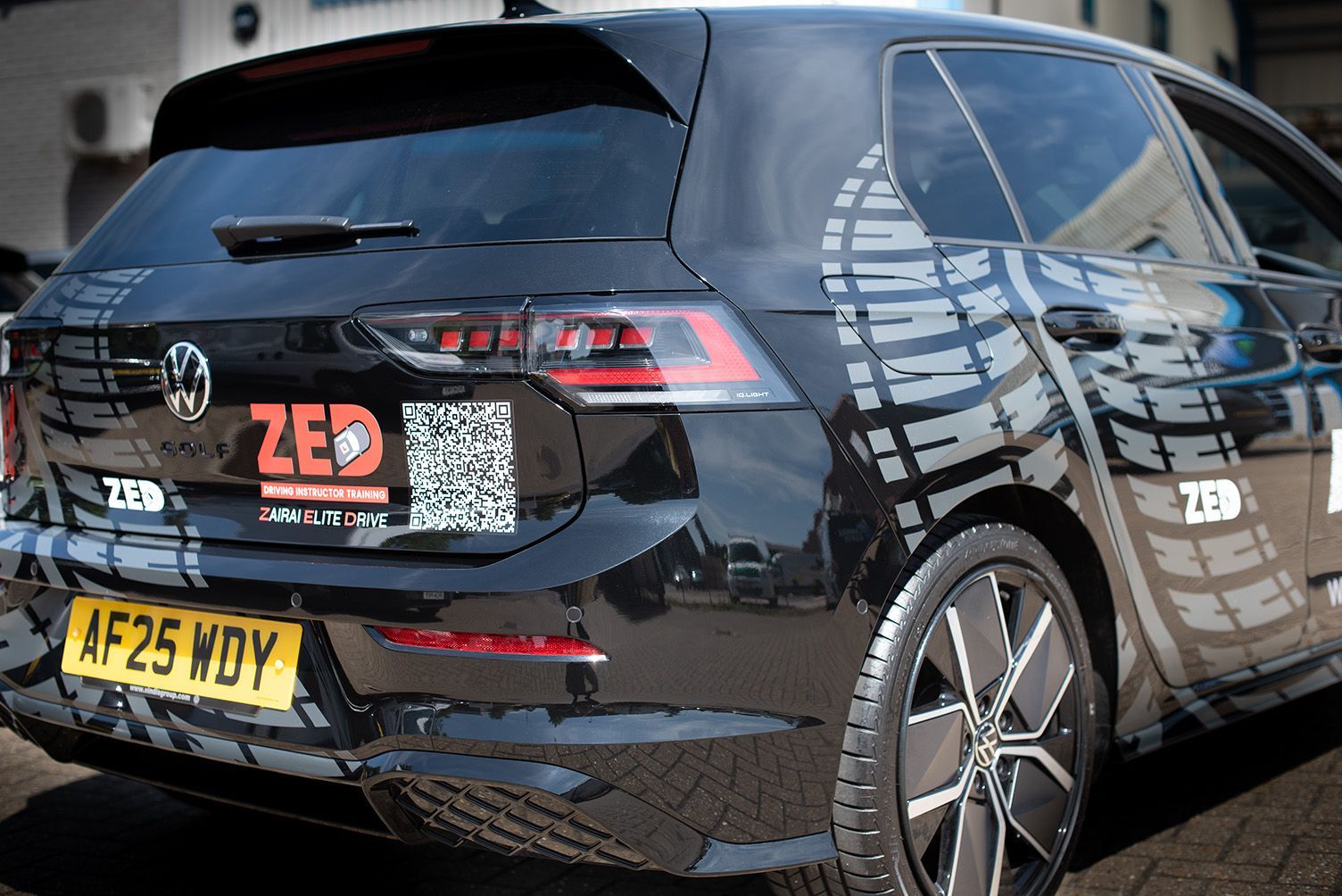
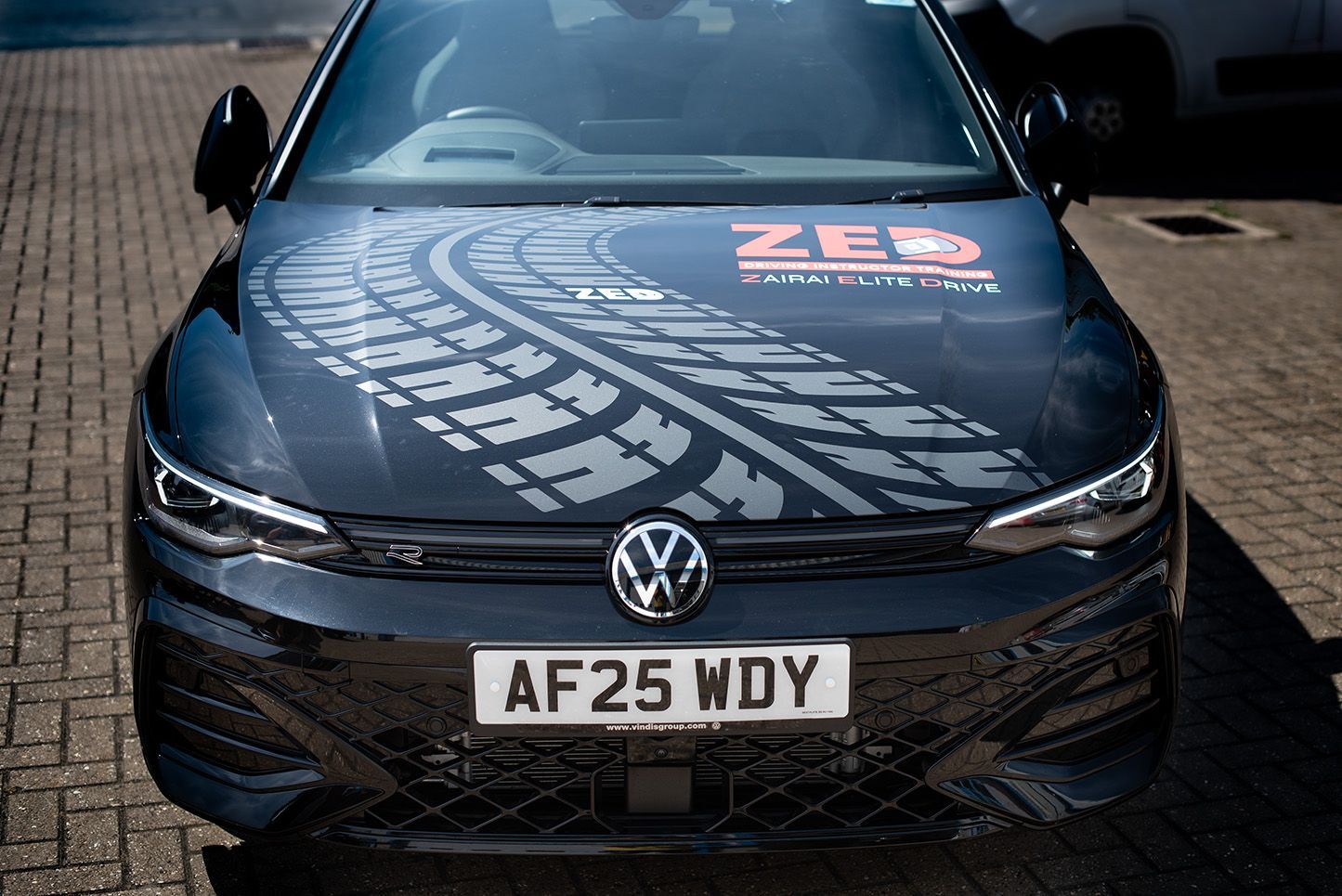
  • Slide title

    Write your caption here
    Button
  • Slide title

    Write your caption here
    Button
  • Slide title

    Write your caption here
    Button
  • Slide title

    Write your caption here
    Button
  • Slide title

    Write your caption here
    Button

Share this post...

A bing logo with a search bar on a white background.
By Paul Lane January 29, 2026
Here are 4 reasons why you should...
By Paul Lane January 16, 2026
Launching a new venture involves a long list of decisions, and your website sits near the top. Do you build it yourself to keep costs down, or pay a professional to get it right from day one? If you are a UK startup or local business, this guide will help you weigh the trade-offs so you can move forward with confidence. DIY vs paying a pro, what really changes? DIY can be tempting. Templates look slick at first glance, and the monthly fee feels small. If you are comfortable with tech and have time, you can get something live quite quickly. Paying a professional shifts the focus. Instead of learning platforms and fixing problems late at night, you invest in a site that is set up correctly, looks the part, and is built to grow. You buy time, and you reduce risk. Here is how the two approaches compare in practice. Time cost: DIY means planning the structure, writing content, finding images, learning the builder, tweaking layouts, and testing. A professional already knows the patterns that work, so the same job may take days instead of weeks. Quality of build: A designer considers user journeys, mobile layouts, typography, spacing, and clear calls to action. That polish improves trust and conversions. Technical setup: A pro sets up hosting, security, backups, performance optimisation, accessibility basics, and SEO essentials so the site is safe, fast, and findable. The hidden risks of DIY you should factor in When you ask, is it worth paying for a website designer, it helps to count the risks DIY can introduce. Speed and performance: Unoptimised images and bloated themes slow pages down. Slow sites leak visitors and harm search visibility. Accessibility: Colour contrast, focus states, keyboard navigation, and alt text matter. Getting this wrong cuts your reach and can create legal risk. SEO basics: Title tags, meta descriptions, headings, internal linking, structured data, and local SEO setup often get missed. That makes it harder to appear in the right searches. Security and maintenance: Plugin updates, vulnerability patches, backups, and uptime monitoring are easy to forget until something breaks. Legal and compliance: Cookie consent, privacy policy, terms, and basic UK business information need to be handled properly. A professional handles these as standard, so you are not firefighting after launch. Outcomes that matter for startups Your website should help you reach customers and book work. That means clear messaging, quick loading, and a simple way to enquire or buy. A good designer builds for these outcomes from the start. Clarity: Clear headlines, benefits, and next steps tailored to your audience. Conversion: Contact forms, booking links, or checkout flows that work on mobile. Trust: Consistent branding, testimonials, and professional polish that reassure visitors. Local visibility: On-page and technical choices that help you show up in nearby searches. If cash flow is tight, you can still choose a professional route by spreading the cost. How a pay-monthly website makes pro design accessible A pay-monthly website spreads the cost over time while bundling what you need to stay live, safe, and current. You avoid a large upfront fee and still get professional design and ongoing support. What is typically included: Design and build: Pages tailored to your goals and brand. Hosting and security: Fast hosting, SSL, updates, and backups. Maintenance: Regular checks and fixes so the site stays healthy. Ongoing updates: Agreed content and design tweaks each month. SEO basics: Technical and on-page essentials when selected. This model is friendly to startups because it reduces risk. You can launch quickly, learn from real visitors, and improve in small steps. Real-world speed and responsiveness Fast turnarounds matter when you are trying to seize momentum. Recent projects show what is possible with a focused approach. Three-day rescue: One founder had waited six months elsewhere with no result. We rebuilt and launched the site within three days, and it looked better than they had imagined. Their words: What had taken someone else to not even complete in 6 months, Paul completed in 3 days. Clear, collaborative build: Another client said, He LISTENED, and he brought our vision to life. That mix of speed and care helps you launch with confidence. Startup-friendly payments: A new business owner shared, The monthly payment plan helps a start up cashflow planning too. Predictable costs remove one more barrier to getting online. Should you pay for a web designer, and can you pay someone to design your website? If you want a site that loads fast, follows best practice, and frees you to work on the business, paying a professional is often worth it. Yes, you can pay someone to design your website, and with a pay-monthly option, you can spread the cost while getting hosting, maintenance, and ongoing updates included. This gives you professional results without the upfront strain. How much does it cost to hire a website designer? Prices vary depending on scope, number of pages, e-commerce needs, and any bespoke features. Many startups choose a monthly plan that bundles everything into one predictable fee. This is easier on cash flow and ensures you have support after launch. If you need a combined brand and site launch, packages that pair logo creation with the website can be more cost effective than buying separately. If you are comparing options, ask what is included each month, how updates are handled, and what response times look like during busy periods. When DIY can still be a good call You have a simple one-page site and time to learn. You enjoy design and are happy to iterate slowly. You are testing an idea and just need a temporary placeholder. Even then, consider a short professional review to cover speed, accessibility, and SEO basics. Small fixes can prevent bigger issues later. A quick checklist to guide your decision Timeline: Do you need to launch within days or weeks? Time available: Can you realistically spare 20 to 40 hours for setup and testing? Risk tolerance: Are you comfortable managing security and compliance? Growth plan: Will the site need to scale or add features soon? Cashflow: Would a monthly plan make the decision easier? Ready to chat about a pay-monthly build? If you prefer a friendly, local approach with quick turnarounds and ongoing support, our Pay Monthly Design Package could be a fit. It spreads the cost and includes the essentials to keep your site fast, secure, and up to date. Many founders choose it to avoid large upfront spend while getting a professional result. Explore the Business Package to see what is included and how monthly pricing works. Check the What’s Included page for the full breakdown of hosting, maintenance, and updates. If you would like a local chat about your goals, we are your web designer in Cambridge and happy to help. Summary Paying for a website designer is often worth it for startups once you add up time saved, risk reduced, and better outcomes. A pay-monthly website gives you professional design, hosting, maintenance, and ongoing updates for a predictable fee, so you can launch quickly and improve with confidence. If you want a practical path that balances quality and cost, let us help you get online fast, then keep you moving. Thinking it over? Let’s talk about the Pay Monthly Design Package and find the right plan for your launch. Internal links: local website designer: https://www.savvy -design.co.uk/business-package website and logo design package: https://www.savvy -design.co.uk/business-package website design Cambridge: https://www.savvy -design.co.uk 
By Paul Lane January 12, 2026
Wordpress verses my chosen platform...
More Posts