Helping business succeed & Startups launch...

WEBSITE DESIGN   |  BRANDING  |  GRAPHIC DESIGN  |  SEO  |  PHOTOGRAPHY

Website Design and Logo Services by Local Web Designers Cambridge
Local Website Designer and Logo Design in Cambridge UK

I offer Website design & Branding, and am based in Cambridge. Working with local people and local businesses.

Welcome to Savvy Design (The Design Startup Guy). I specialise in designing logos and websites for startups and small businesses, however simple or complex.


Are you starting a new business, or need help rebranding your business?  I can help create a strong brand and build a website that is visible, all within a pay-monthly package.
Savvy Design Ltd is a local web designer based in Cambridge. We specialise in logo and website design for small businesses and start-ups. Get in touch today.

Websites for SMEs & business startups

Are you a new business start up? Need help getting your brand and website sorted? I can deliver all a startup business or small business needs to get online fast, and create a BRAND & WEBSITE as individual as your business, all in a monthly payment package.

If you are looking to hire a local website designer, our pay-monthly design package is a perfect fit for start-up businesses requiring logo design, a cost-effective website solution. A local Cambridge-based website designer who understands the costs of setting up a new business start-up. Our pay-monthly design package helps new businesses afford a website that will get them online fast. We pride ourselves on helping start-up businesses get their branding strategy in place and a website live quickly. If you are looking for a "website designer near me", look no further.


If you are looking for a Cambridge website design company, the Design Start Up Guy will be able to guide you through the branding and website build process.


Having a "local Cambridge website designer near me"  has got to be better than working with an anonymous business online that does not really understand your business or market. Being able to deal with a local website designer makes the whole process so much easier and quicker.


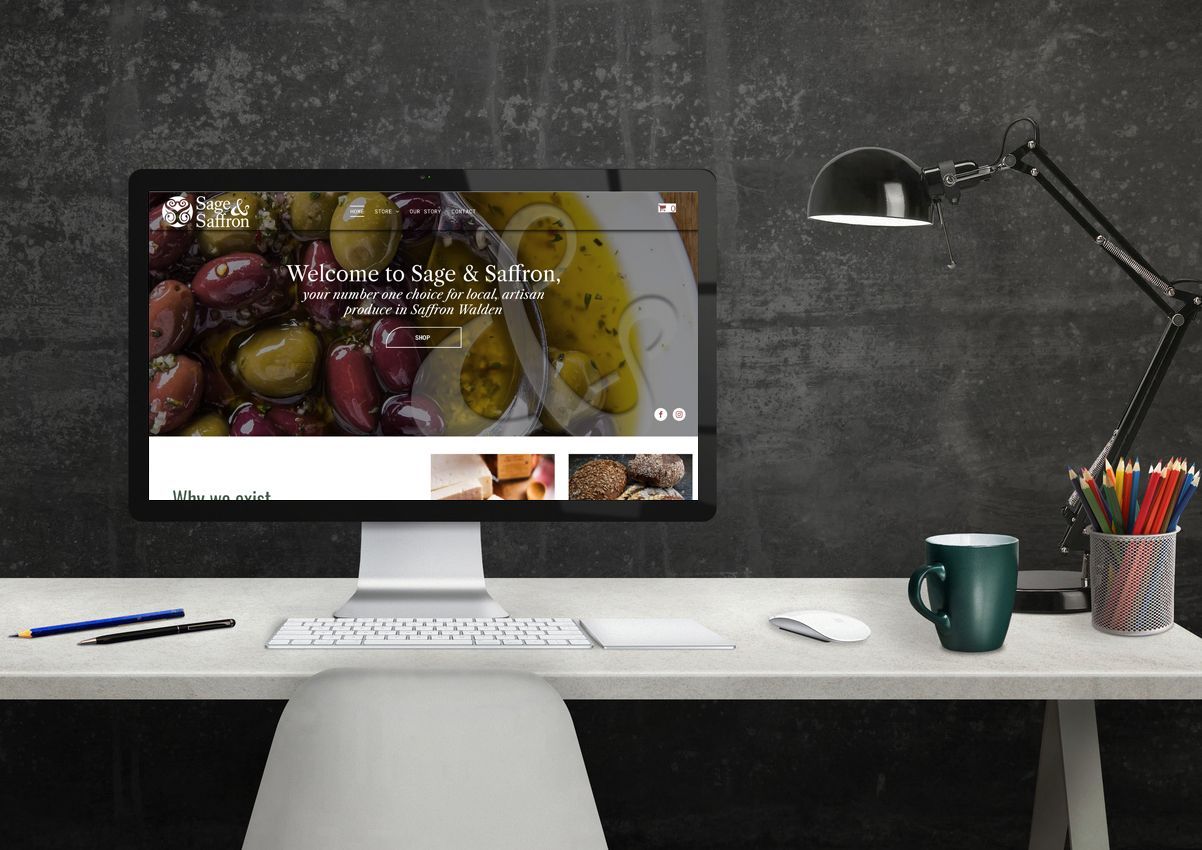
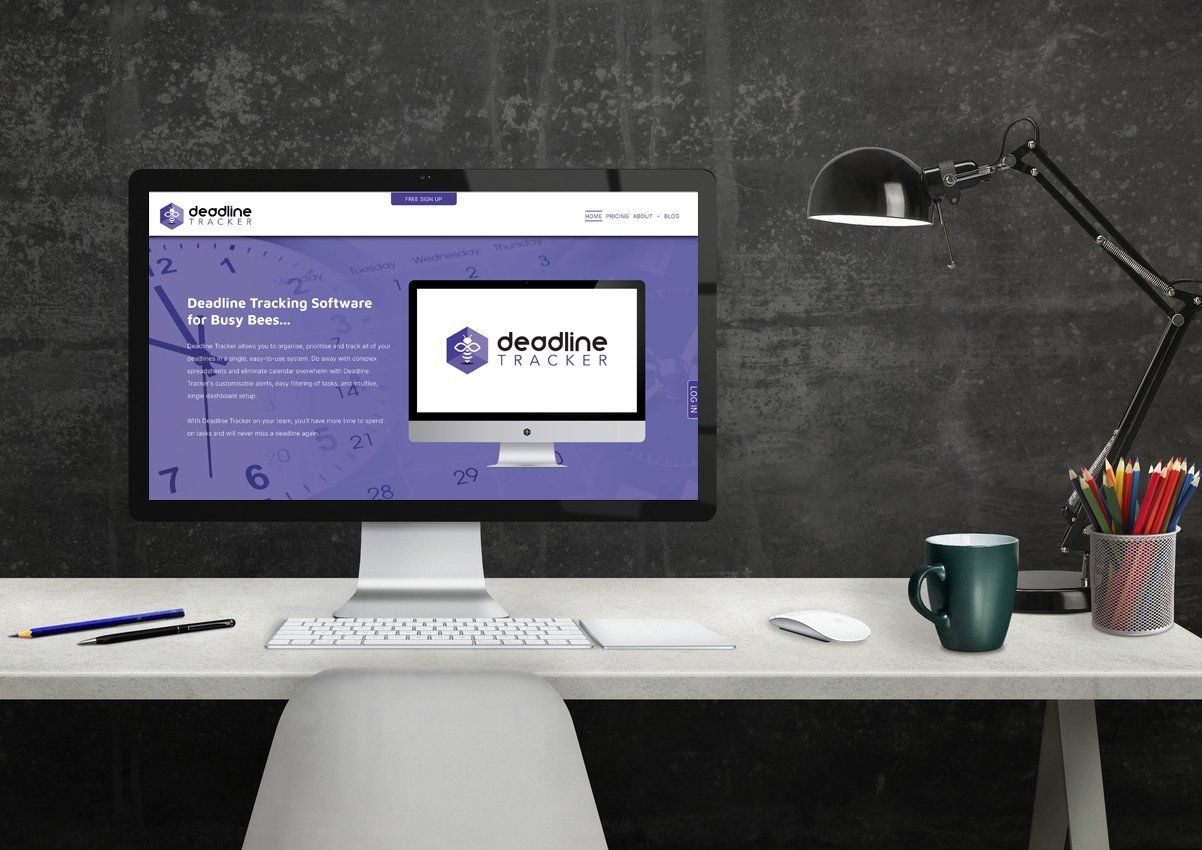
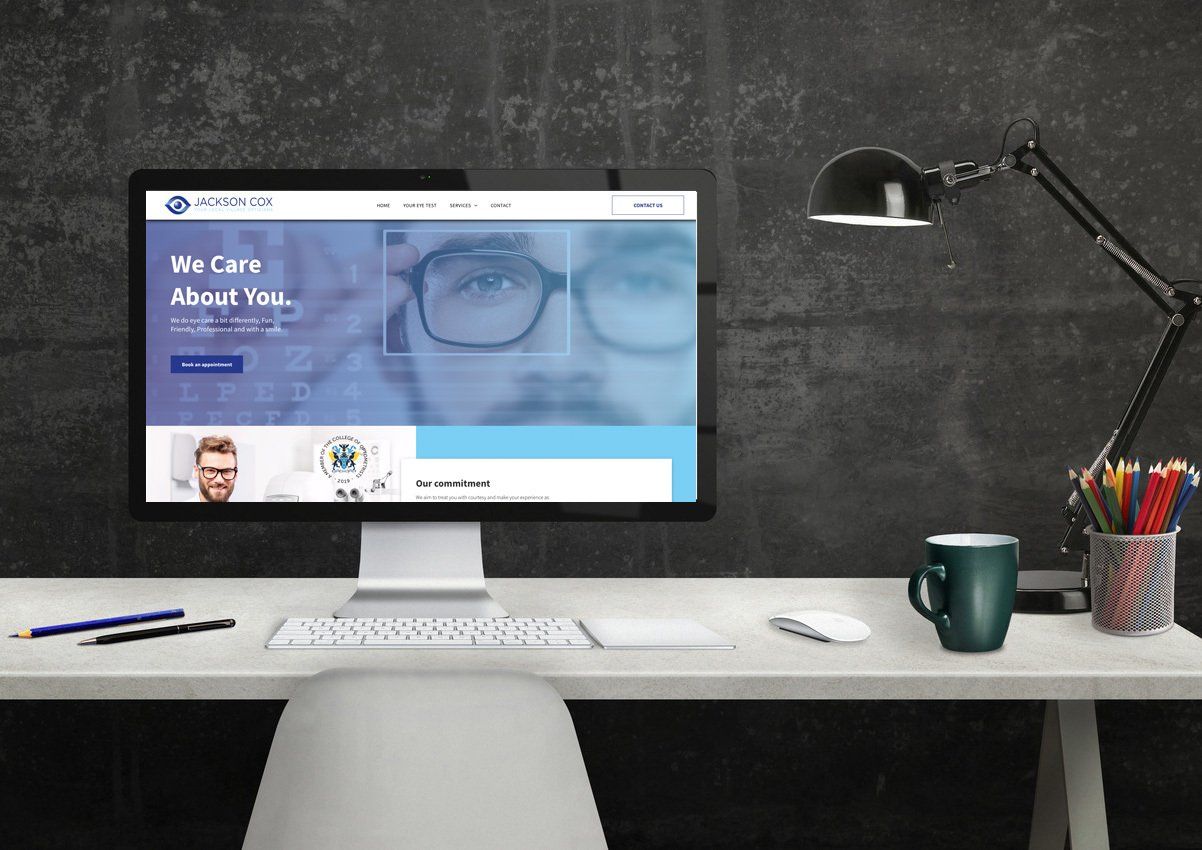
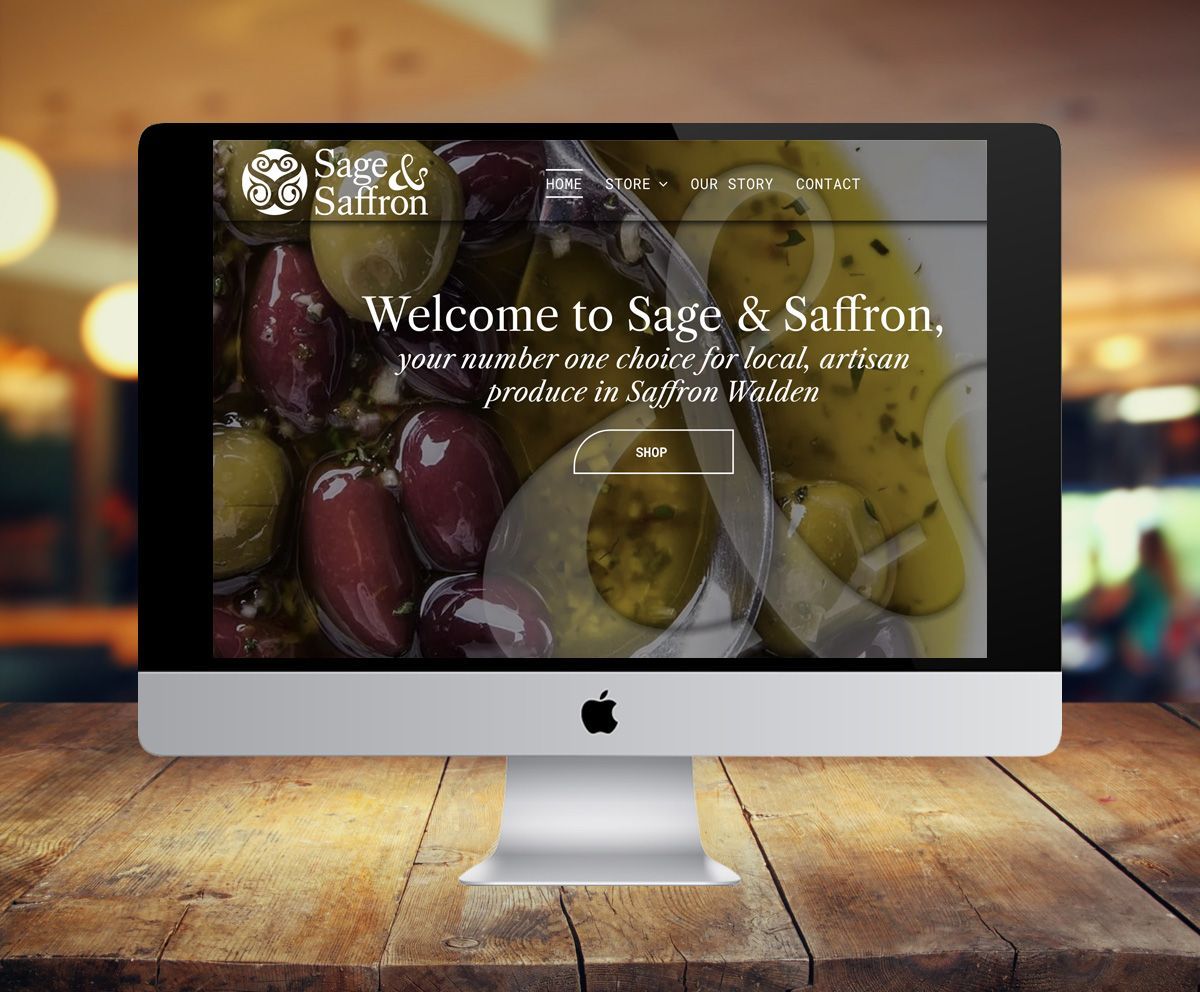
Recent projects...
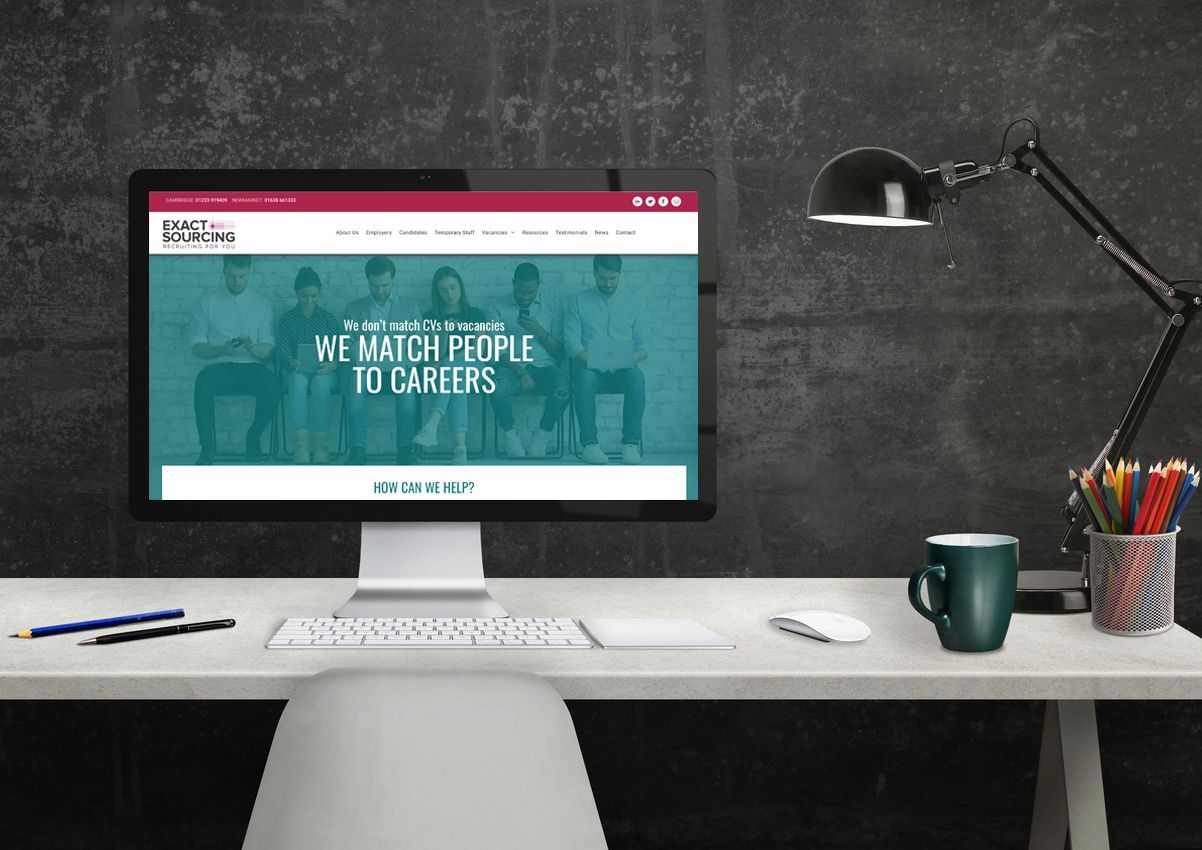
To view the live websites please click on the site you would like to preview.
FIND OUT MORE + CALL NOW

What makes a good website?

A good website is one that is easy to use, informative, and visually appealing. It should be designed with the user in mind, and should make it easy for them to find the information they are looking for. The website should also be up-to-date and accurate, and should provide a positive user experience.


Here are some of the key factors that make a good website:

Usability: The website should be easy to use and navigate. The layout should be clear and easy to follow, and the buttons and links should be easy to find.


Information: The website should be informative and provide the user with the information they are looking for. The content should be accurate and up-to-date, and should be presented in a clear and concise way.


Visual Appeal:  The website should be visually appealing. The design should be attractive and engaging, and the images and videos should be high quality.


User Experience:  The website should provide a positive user experience. The website should be responsive and load quickly, and the user should be able to interact with the website in a way that is easy and enjoyable.


By following these guidelines, you can create a website that is both user-friendly and informative.


Want to get started?


We are always looking for ways to improve our services. If you have any questions or feedback, please don't hesitate to get in touch with us. We would love to hear from you!

CALL NOW

Here's some testimonials from my clients...

A man is leaning against a machine in a black and white photo.
A white background with a few lines on it

“From our first meeting, we knew Paul at Savvy Design was someone we could work with. We gave him a loose brief and he came up with the design for our new website. Newprint are a commercial printers based in Newmarket and our website has definitely  directed more customers to us. He is always happy to help if we have a problem or a question and gets back with a solution quickly."


David Prior

NewPrint
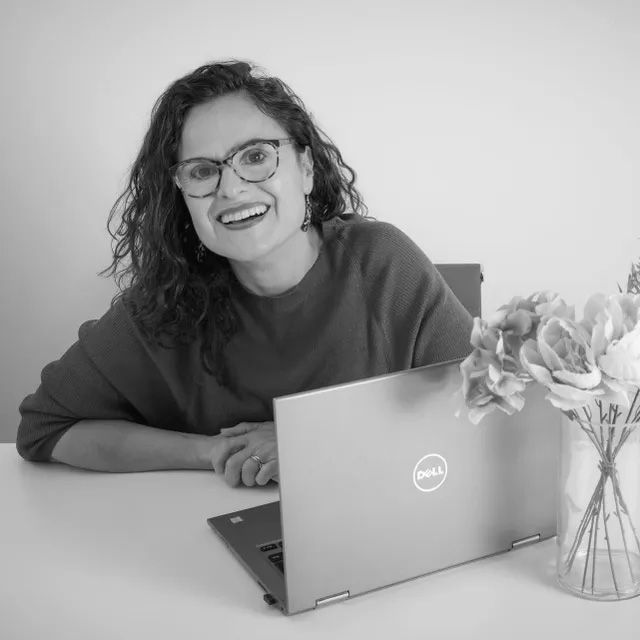
A woman is sitting at a desk with a laptop and a vase of flowers.
A white background with a few lines on it

"I'd definitely recommend Savvy, I had someone building our new website and the supposed end product was really disappointing, so I asked Paul to build something for us and he did a brilliant job in understanding who we are and what we need out of a good site not just by functionality but also visually. He really managed the whole process from start to finish in a way that helps move it forward and made great suggestions. Feels like a totally different experience and I’m really proud of our new website."


Rosa Dos Santos

Exact Sourcing

A bald man with a beard is wearing a vest and a shirt.
A white background with a few lines on it

“Paul re-vamped and re-designed our website and we are delighted with the work he has produced. His knowledge and guidance made what seemed like a daunting task, a lot more straightforward. Thoroughly recommended for not only his website design, but his overall design eye.
Paul was a pleasure to work with.”


Neil Hamilton-Meikle

Cooper Barnes

The Design Start Up Guys' Blog

By Paul Lane January 16, 2026
Launching a new venture involves a long list of decisions, and your website sits near the top. Do you build it yourself to keep costs down, or pay a professional to get it right from day one? If you are a UK startup or local business, this guide will help you weigh the trade-offs so you can move forward with confidence. DIY vs paying a pro, what really changes? DIY can be tempting. Templates look slick at first glance, and the monthly fee feels small. If you are comfortable with tech and have time, you can get something live quite quickly. Paying a professional shifts the focus. Instead of learning platforms and fixing problems late at night, you invest in a site that is set up correctly, looks the part, and is built to grow. You buy time, and you reduce risk. Here is how the two approaches compare in practice. Time cost: DIY means planning the structure, writing content, finding images, learning the builder, tweaking layouts, and testing. A professional already knows the patterns that work, so the same job may take days instead of weeks. Quality of build: A designer considers user journeys, mobile layouts, typography, spacing, and clear calls to action. That polish improves trust and conversions. Technical setup: A pro sets up hosting, security, backups, performance optimisation, accessibility basics, and SEO essentials so the site is safe, fast, and findable. The hidden risks of DIY you should factor in When you ask, is it worth paying for a website designer, it helps to count the risks DIY can introduce. Speed and performance: Unoptimised images and bloated themes slow pages down. Slow sites leak visitors and harm search visibility. Accessibility: Colour contrast, focus states, keyboard navigation, and alt text matter. Getting this wrong cuts your reach and can create legal risk. SEO basics: Title tags, meta descriptions, headings, internal linking, structured data, and local SEO setup often get missed. That makes it harder to appear in the right searches. Security and maintenance: Plugin updates, vulnerability patches, backups, and uptime monitoring are easy to forget until something breaks. Legal and compliance: Cookie consent, privacy policy, terms, and basic UK business information need to be handled properly. A professional handles these as standard, so you are not firefighting after launch. Outcomes that matter for startups Your website should help you reach customers and book work. That means clear messaging, quick loading, and a simple way to enquire or buy. A good designer builds for these outcomes from the start. Clarity: Clear headlines, benefits, and next steps tailored to your audience. Conversion: Contact forms, booking links, or checkout flows that work on mobile. Trust: Consistent branding, testimonials, and professional polish that reassure visitors. Local visibility: On-page and technical choices that help you show up in nearby searches. If cash flow is tight, you can still choose a professional route by spreading the cost. How a pay-monthly website makes pro design accessible A pay-monthly website spreads the cost over time while bundling what you need to stay live, safe, and current. You avoid a large upfront fee and still get professional design and ongoing support. What is typically included: Design and build: Pages tailored to your goals and brand. Hosting and security: Fast hosting, SSL, updates, and backups. Maintenance: Regular checks and fixes so the site stays healthy. Ongoing updates: Agreed content and design tweaks each month. SEO basics: Technical and on-page essentials when selected. This model is friendly to startups because it reduces risk. You can launch quickly, learn from real visitors, and improve in small steps. Real-world speed and responsiveness Fast turnarounds matter when you are trying to seize momentum. Recent projects show what is possible with a focused approach. Three-day rescue: One founder had waited six months elsewhere with no result. We rebuilt and launched the site within three days, and it looked better than they had imagined. Their words: What had taken someone else to not even complete in 6 months, Paul completed in 3 days. Clear, collaborative build: Another client said, He LISTENED, and he brought our vision to life. That mix of speed and care helps you launch with confidence. Startup-friendly payments: A new business owner shared, The monthly payment plan helps a start up cashflow planning too. Predictable costs remove one more barrier to getting online. Should you pay for a web designer, and can you pay someone to design your website? If you want a site that loads fast, follows best practice, and frees you to work on the business, paying a professional is often worth it. Yes, you can pay someone to design your website, and with a pay-monthly option, you can spread the cost while getting hosting, maintenance, and ongoing updates included. This gives you professional results without the upfront strain. How much does it cost to hire a website designer? Prices vary depending on scope, number of pages, e-commerce needs, and any bespoke features. Many startups choose a monthly plan that bundles everything into one predictable fee. This is easier on cash flow and ensures you have support after launch. If you need a combined brand and site launch, packages that pair logo creation with the website can be more cost effective than buying separately. If you are comparing options, ask what is included each month, how updates are handled, and what response times look like during busy periods. When DIY can still be a good call You have a simple one-page site and time to learn. You enjoy design and are happy to iterate slowly. You are testing an idea and just need a temporary placeholder. Even then, consider a short professional review to cover speed, accessibility, and SEO basics. Small fixes can prevent bigger issues later. A quick checklist to guide your decision Timeline: Do you need to launch within days or weeks? Time available: Can you realistically spare 20 to 40 hours for setup and testing? Risk tolerance: Are you comfortable managing security and compliance? Growth plan: Will the site need to scale or add features soon? Cashflow: Would a monthly plan make the decision easier? Ready to chat about a pay-monthly build? If you prefer a friendly, local approach with quick turnarounds and ongoing support, our Pay Monthly Design Package could be a fit. It spreads the cost and includes the essentials to keep your site fast, secure, and up to date. Many founders choose it to avoid large upfront spend while getting a professional result. Explore the Business Package to see what is included and how monthly pricing works. Check the What’s Included page for the full breakdown of hosting, maintenance, and updates. If you would like a local chat about your goals, we are your web designer in Cambridge and happy to help. Summary Paying for a website designer is often worth it for startups once you add up time saved, risk reduced, and better outcomes. A pay-monthly website gives you professional design, hosting, maintenance, and ongoing updates for a predictable fee, so you can launch quickly and improve with confidence. If you want a practical path that balances quality and cost, let us help you get online fast, then keep you moving. Thinking it over? Let’s talk about the Pay Monthly Design Package and find the right plan for your launch. Internal links: local website designer: https://www.savvy -design.co.uk/business-package website and logo design package: https://www.savvy -design.co.uk/business-package website design Cambridge: https://www.savvy -design.co.uk 
By Paul Lane January 12, 2026
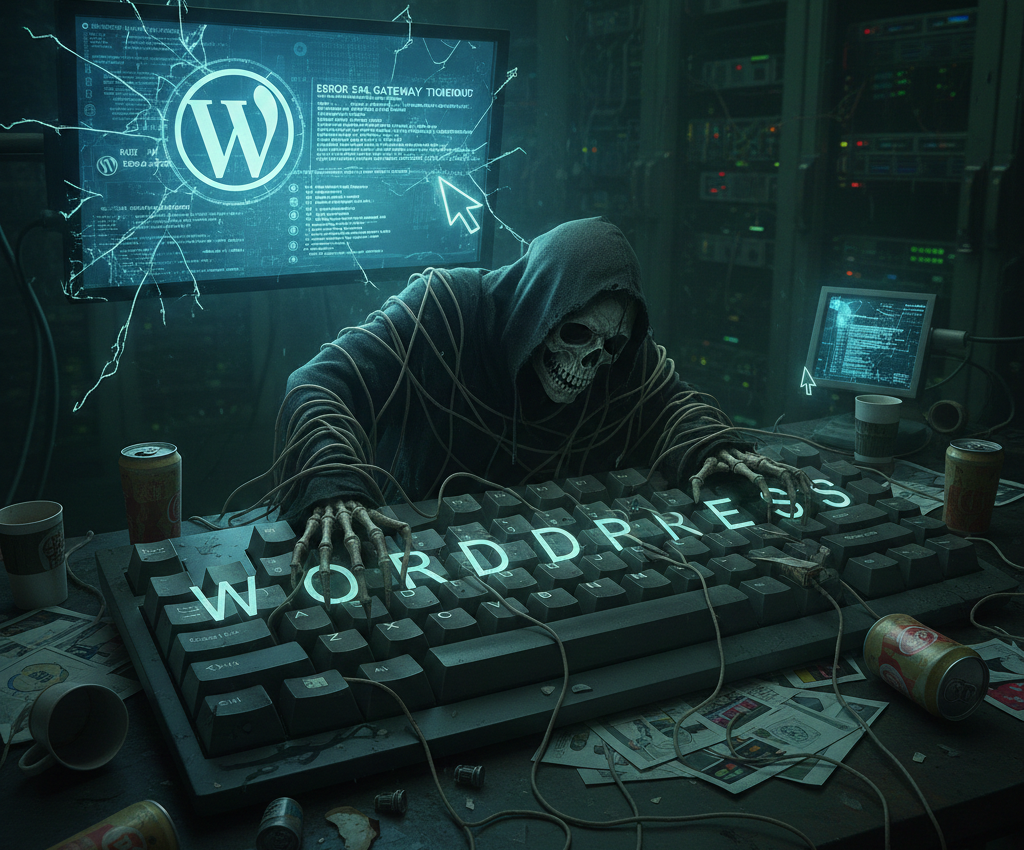
Wordpress verses my chosen platform...
By Paul Lane November 24, 2025
If you are starting up in Cambridge, a website is often near the top of your to-do list. You want something that looks professional, loads fast, and is easy for customers to use. The question is simple. Do you build it yourself, or should you pay for a website designer? Let’s walk through the real trade-offs so you can make a confident choice that suits your time, skills, and budget. The DIY route: what you gain and what you risk DIY tools are better than ever. You can spin up a basic site in a weekend and keep costs low at the start. If you enjoy tinkering, it can be rewarding. You will also learn how your site works, which helps when you want to add a page or update text. That said, there are hidden costs. Your time is the first one. Building a good site means learning about layouts, accessibility, page speed, image compression, SEO basics, and security. You will also need to test on mobiles and different browsers. If you are already juggling suppliers, customers, and cash flow, the website can become one more plate to spin. You also face limits with free templates. They look fine out of the box, but once you try to shape them to your brand, you might hit a wall. Common pain points include rigid layouts, slow load times when you add apps, and confusing site structure that hurts search visibility. DIY can work if: You only need a simple one or two-page site. You have time to learn and test. You are happy with a template and do not need custom features. DIY can struggle if: You need a brand-led design that looks distinct in a crowded local market. You want fast performance and good SEO from day one. You plan to scale with booking forms, e-commerce, or custom integrations. The professional route: when paying makes sense  So, should you pay for a web designer? If your time is tight and you want a site that works hard from day one, yes, it is often worth it. A good designer will plan your site around your goals, then handle the build, performance, security, and ongoing updates. You get a polished result without the stress, and you avoid weeks of trial and error. At Savvy Design, most early-stage clients choose a pay-monthly package. It spreads the cost into predictable payments, includes hosting and maintenance, and allows for quick changes as your business grows. For many startups, that turns a big upfront spend into a manageable monthly line. Is it worth paying for a website designer? For busy founders, the return comes from speed and focus. You get to market faster, and your site does a better job of converting visits into enquiries. If a professional site saves you ten hours a month and wins a few extra customers, the numbers add up quickly. Common myths about DIY websites Myth 1: Free builders are free forever. The platform may be free, but you will likely pay for a custom domain, extra storage, or useful add-ons. You also pay in time. Myth 2: Templates guarantee a professional look. A template is only the starting point. Your content, imagery, spacing, and mobile tweaks make or break the result. Myth 3: SEO is automatic. Most platforms provide the tools, but you still need a sound structure, relevant content, tags, and speed. Poor choices can hold you back in local search. Myth 4: You can always fix it later. You can, but patching a weak structure can take longer than planning it properly at the start. Where free builders usually fall short Performance: Add a few plugins and large images, and load times jump. Slow sites bleed visitors. Content design: Text blocks that look fine on desktop can become hard to read on mobile. Spacing, font sizing, and hierarchy matter. Flexibility: When you need a booking tool, a gated resource, or a shop, you might face either extra fees or limited integration options. Consistency: Matching your logo, colours, type, and tone across pages and assets is harder than it seems. Inconsistent branding hurts trust. A simple test to choose your path Ask yourself three questions: 1. How much is your time worth per hour over the next month? 2. How many hours would a DIY site take, including learning, building, and fixing? 3. What would one or two extra clients per month be worth to you? If the hours times your rate exceed a sensible monthly fee for a professional build, or if a better site can clearly win more business, hiring a pro is a smart move. Can you pay someone to design your website? Yes, and you should if you want a strategic build that saves time and avoids headaches. A professional will handle structure, design, and technical setup. They will also help you define your message and calls to action, which is crucial when you are new to market. If you want a Cambridge partner who is easy to reach, you can speak to a website designer Cambridge who understands local audiences and can move quickly when you need changes. What does a good professional process look like? Discovery: Clear goals, audience, and content plan. Design: Layouts that highlight your offer and guide users to enquire or buy. Build: Fast, secure pages with a clean structure and on-page SEO basics. Launch: Testing on mobile and desktop, performance checks, and analytics setup. After launch: Updates, tweaks, and support so you are never stuck. This is exactly what our pay monthly package delivers, along with hosting and maintenance, so you can focus on sales and service. What about cost and cash flow? Traditional projects ask for a large upfront payment, which can pinch. A pay monthly approach spreads cost, includes ongoing support, and gives you a clear runway for future changes. For many founders, it is not just about getting online; it is about staying competitive as you grow. If you need branding plus a site together, a logo and website design package helps you launch with a consistent identity across web, print, and even vehicle graphics. That consistency builds trust and makes your marketing look polished from day one. Tips if you decide to DIY Keep it simple. Fewer pages done well beat many pages done quickly. Write clear headings and short paragraphs. Make every page answer a real customer question. Optimise images before upload. Aim for small file sizes without losing quality. Use one or two brand colours and a simple type scale. Consistency looks professional. Test on your phone. Most of your visitors will view on mobile first. Set up basic SEO. Titles, meta descriptions, alt text, and internal links matter. If you get stuck, you can always bring in help for specific tasks, such as a homepage redesign or a speed fix. Bringing it together for Cambridge startups You can build your own site, and for some, that is enough. But if time is tight and you want a site that feels tailored, loads fast, and supports growth, hiring a professional is a smart investment. It is worth paying for a website designer when the value of your time and the cost of missed opportunities exceed a manageable monthly fee. If you are weighing options, let’s chat. As a local partner, I can guide you through the best route for your stage, whether that is a quick starter site, a phased rollout, or a combined brand and web package. If you want to move fast, you can speak with a local website designer to explore a pay-monthly route that fits your cash flow. If you prefer a quick introduction to our services, you can also visit Savvy, a web designer based in Cambridge, to see how we work with local businesses. Summary DIY is fine for simple needs, but growth-focused startups in Cambridge often benefit from professional support. Paying for a designer buys you time, speed, and a better outcome. It reduces risk, improves performance, and helps you look the part. If you would like friendly advice and a no-pressure chat about your ideas, I would love to hear from you. Reach out today, get your questions answered, and get your website working for you.
Show More