Can You Really Build a Business Website Yourself? Pros, Cons, And Myths Explained
If you are starting up in Cambridge, a website is often near the top of your to-do list. You want something that looks professional, loads fast, and is easy for customers to use. The question is simple. Do you build it yourself, or should you pay for a website designer? Let’s walk through the real trade-offs so you can make a confident choice that suits your time, skills, and budget.
The DIY route: what you gain and what you risk
DIY tools are better than ever. You can spin up a basic site in a weekend and keep costs low at the start. If you enjoy tinkering, it can be rewarding. You will also learn how your site works, which helps when you want to add a page or update text.
That said, there are hidden costs. Your time is the first one. Building a good site means learning about layouts, accessibility, page speed, image compression, SEO basics, and security. You will also need to test on mobiles and different browsers. If you are already juggling suppliers, customers, and cash flow, the website can become one more plate to spin.
You also face limits with free templates. They look fine out of the box, but once you try to shape them to your brand, you might hit a wall. Common pain points include rigid layouts, slow load times when you add apps, and confusing site structure that hurts search visibility.
DIY can work if:
- You only need a simple one or two-page site.
- You have time to learn and test.
- You are happy with a template and do not need custom features.
DIY can struggle if:
- You need a brand-led design that looks distinct in a crowded local market.
- You want fast performance and good SEO from day one.
- You plan to scale with booking forms, e-commerce, or custom integrations.
The professional route: when paying makes sense
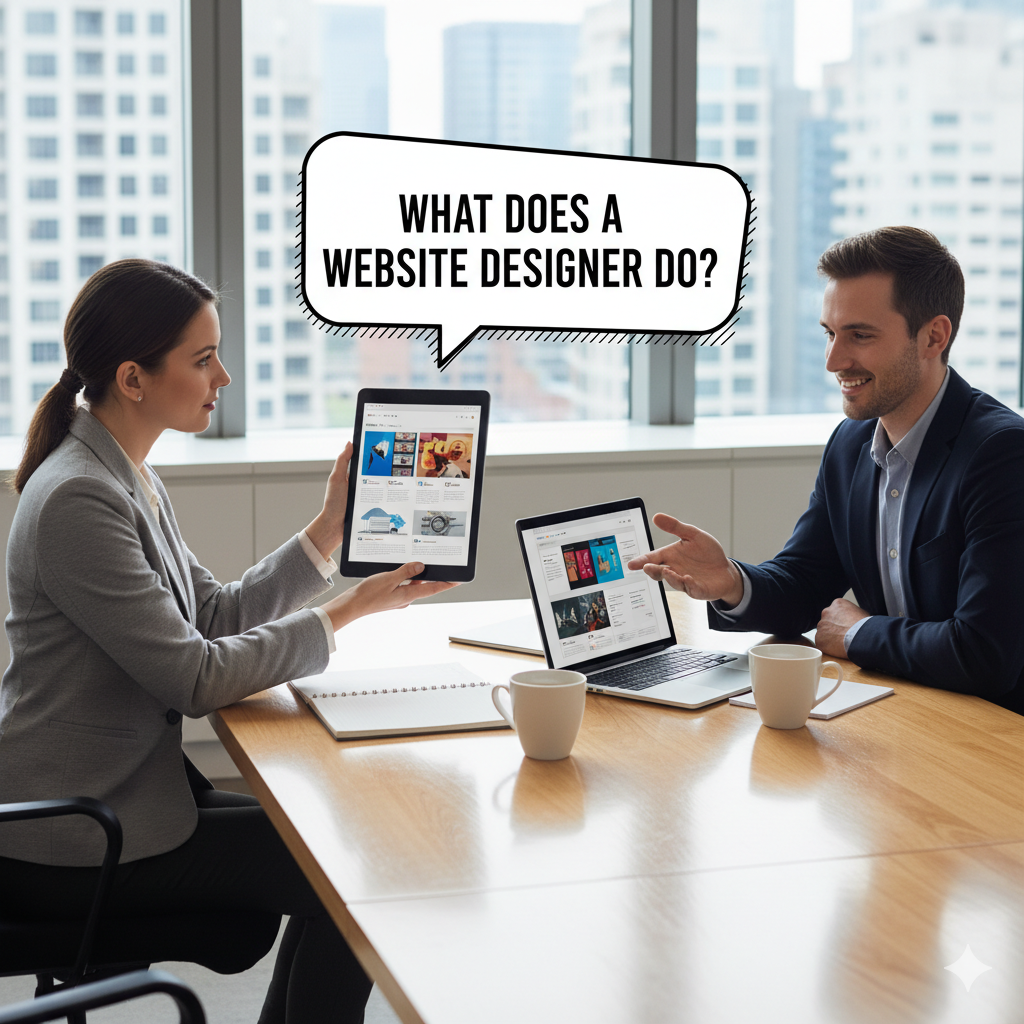
So, should you pay for a web designer? If your time is tight and you want a site that works hard from day one, yes, it is often worth it. A good designer will plan your site around your goals, then handle the build, performance, security, and ongoing updates. You get a polished result without the stress, and you avoid weeks of trial and error.
At Savvy Design, most early-stage clients choose a pay-monthly package. It spreads the cost into predictable payments, includes hosting and maintenance, and allows for quick changes as your business grows. For many startups, that turns a big upfront spend into a manageable monthly line.
Is it worth paying for a website designer? For busy founders, the return comes from speed and focus. You get to market faster, and your site does a better job of converting visits into enquiries. If a professional site saves you ten hours a month and wins a few extra customers, the numbers add up quickly.
Common myths about DIY websites
- Myth 1: Free builders are free forever. The platform may be free, but you will likely pay for a custom domain, extra storage, or useful add-ons. You also pay in time.
- Myth 2: Templates guarantee a professional look. A template is only the starting point. Your content, imagery, spacing, and mobile tweaks make or break the result.
- Myth 3: SEO is automatic. Most platforms provide the tools, but you still need a sound structure, relevant content, tags, and speed. Poor choices can hold you back in local search.
- Myth 4: You can always fix it later. You can, but patching a weak structure can take longer than planning it properly at the start.
Where free builders usually fall short
- Performance: Add a few plugins and large images, and load times jump. Slow sites bleed visitors.
- Content design: Text blocks that look fine on desktop can become hard to read on mobile. Spacing, font sizing, and hierarchy matter.
- Flexibility: When you need a booking tool, a gated resource, or a shop, you might face either extra fees or limited integration options.
- Consistency: Matching your logo, colours, type, and tone across pages and assets is harder than it seems. Inconsistent branding hurts trust.
A simple test to choose your path
Ask yourself three questions:
1. How much is your time worth per hour over the next month?
2. How many hours would a DIY site take, including learning, building, and fixing?
3. What would one or two extra clients per month be worth to you?
If the hours times your rate exceed a sensible monthly fee for a professional build, or if a better site can clearly win more business, hiring a pro is a smart move.
Can you pay someone to design your website?
Yes, and you should if you want a strategic build that saves time and avoids headaches. A professional will handle structure, design, and technical setup. They will also help you define your message and calls to action, which is crucial when you are new to market. If you want a Cambridge partner who is easy to reach, you can speak to a website designer Cambridge who understands local audiences and can move quickly when you need changes.
What does a good professional process look like?
- Discovery: Clear goals, audience, and content plan.
- Design: Layouts that highlight your offer and guide users to enquire or buy.
- Build: Fast, secure pages with a clean structure and on-page SEO basics.
- Launch: Testing on mobile and desktop, performance checks, and analytics setup.
- After launch: Updates, tweaks, and support so you are never stuck.
This is exactly what our pay monthly package delivers, along with hosting and maintenance, so you can focus on sales and service.
What about cost and cash flow?
Traditional projects ask for a large upfront payment, which can pinch. A pay monthly approach spreads cost, includes ongoing support, and gives you a clear runway for future changes. For many founders, it is not just about getting online; it is about staying competitive as you grow.
If you need branding plus a site together, a logo and website design package helps you launch with a consistent identity across web, print, and even vehicle graphics. That consistency builds trust and makes your marketing look polished from day one.
Tips if you decide to DIY
- Keep it simple. Fewer pages done well beat many pages done quickly.
- Write clear headings and short paragraphs. Make every page answer a real customer question.
- Optimise images before upload. Aim for small file sizes without losing quality.
- Use one or two brand colours and a simple type scale. Consistency looks professional.
- Test on your phone. Most of your visitors will view on mobile first.
- Set up basic SEO. Titles, meta descriptions, alt text, and internal links matter.
If you get stuck, you can always bring in help for specific tasks, such as a homepage redesign or a speed fix.
Bringing it together for Cambridge startups
You can build your own site, and for some, that is enough. But if time is tight and you want a site that feels tailored, loads fast, and supports growth, hiring a professional is a smart investment. It is worth paying for a website designer when the value of your time and the cost of missed opportunities exceed a manageable monthly fee.
If you are weighing options, let’s chat. As a local partner, I can guide you through the best route for your stage, whether that is a quick starter site, a phased rollout, or a combined brand and web package. If you want to move fast, you can speak with a local website designer to explore a pay-monthly route that fits your cash flow. If you prefer a quick introduction to our services, you can also visit Savvy, a web designer based in Cambridge, to see how we work with local businesses.
Summary
DIY is fine for simple needs, but growth-focused startups in Cambridge often benefit from professional support. Paying for a designer buys you time, speed, and a better outcome. It reduces risk, improves performance, and helps you look the part. If you would like friendly advice and a no-pressure chat about your ideas, I would love to hear from you. Reach out today, get your questions answered, and get your website working for you.
Share this post...