How To Find The Best Web Design Agency For Your Start Up
Paul Lane • August 18, 2025

Starting a new business is exciting, and your website will be the place many people meet you for the first time. Get it right and you build trust quickly. Get it wrong and you risk losing leads before you even speak to them. The good news, you can find a great web design partner without stress if you know what to look for and how to compare your options.


What a web design agency actually does


A web design agency plans, designs, and builds your website so it looks great and works smoothly. They turn your ideas and goals into pages, content, and actions that help visitors become customers. A good agency will also:

  • Shape your brand visuals, such as colours, fonts, and imagery  Create a clear structure and navigation for easy use
  •  Optimise pages for search engines
  •  Make the site fast, secure, and mobile friendly
  •  Provide ongoing updates and support after launch


If you are at the beginning, you might also need a logo and consistent branding across your website, social media, and print. Many agencies offer packages that include both.


Why experience with startups matters


Startups move fast and budgets are tight. You need someone who understands cash flow, quick turnaround, and evolving plans. Agencies used to enterprise timelines can be slow and expensive. A startup friendly team will:

  •  Offer pay monthly options so you can spread costs  
  • Work in short cycles and show progress often
  •  Help you focus on must haves for launch, then add nice to haves later  
  • Guide you on content and simple SEO so you can be found


If you are based in Cambridge, choosing a web design agency that knows the local market can save time and help you speak to the right audience from day one.


How to find the best web design agency


Start with clarity on your goals. Write down what you need your website to do in the first six months. For example, collect enquiries, take bookings, sell a small product range, or showcase your portfolio. With that list in hand, follow these steps.


1. Search locally and shortlist three to five agencies

Look for teams that build websites for startups and small businesses. If they feature case studies for new ventures, even better. A local option means easier meetings and a better understanding of your customers.

2. Check their portfolio for fit

Do you like their visual style, or do all the sites look the same. Are the sites easy to use on mobile. Do the pages load quickly. Try to find examples in your industry or with similar goals to yours. Quality of content structure is as important as visuals.

3. Read reviews and look for proof

Google reviews and testimonials reveal how the process felt for clients. Look for feedback on speed, communication, and ongoing support. You want an agency that listens, explains things simply, and responds quickly.

4. Ask about their process

A clear process means fewer surprises. Ask how they handle discovery, content, design sign off, development, testing, and launch. Ask who writes the copy and who sources images. Confirm timelines, responsibilities, and how changes are managed.

5. Clarify ongoing support and costs

A website is a living thing. You will need updates, new sections, and tweaks. Make sure your agency offers simple support, ideally with a monthly package. Confirm hosting, security, backups, and response times.

6. Compare value, not just price

Cheapest often costs more in the long run. A site that looks good but does not convert will not help your business. Weigh design quality, strategy, guidance, and ongoing care.


Questions to ask before you hire


  •  What results did your last three clients achieve after launch  
  • How will you measure success for my site
  •  Which pages and features do you recommend for my goals  
  • What is included in your monthly support
  •  Who will be my main contact and how often will we speak  
  • How will you help me improve after launch


Good agencies will welcome these questions. Their answers will show you how they think and how they will work with you.


Where to find someone to design your website


  •  Local recommendations: Ask other founders, co working spaces, and networking groups  
  • Google Maps: Search for agencies nearby and check recent reviews
  •  Portfolio platforms: Look for designers who share real client links, not just mockups  
  • Social proof: LinkedIn and local Facebook groups can surface trusted names


If you are in or near Cambridge, you can explore options like a web design agency Cambridge to see work rooted in the local market and community.


The benefit of choosing local in Cambridge


A local partner understands the area, competitors, and customer expectations. You get face to face time when you need it, faster communication, and a design that fits how people search and buy in your region. If you want personal service and quick turnaround, working with a website designer cambridge can be a smart move.


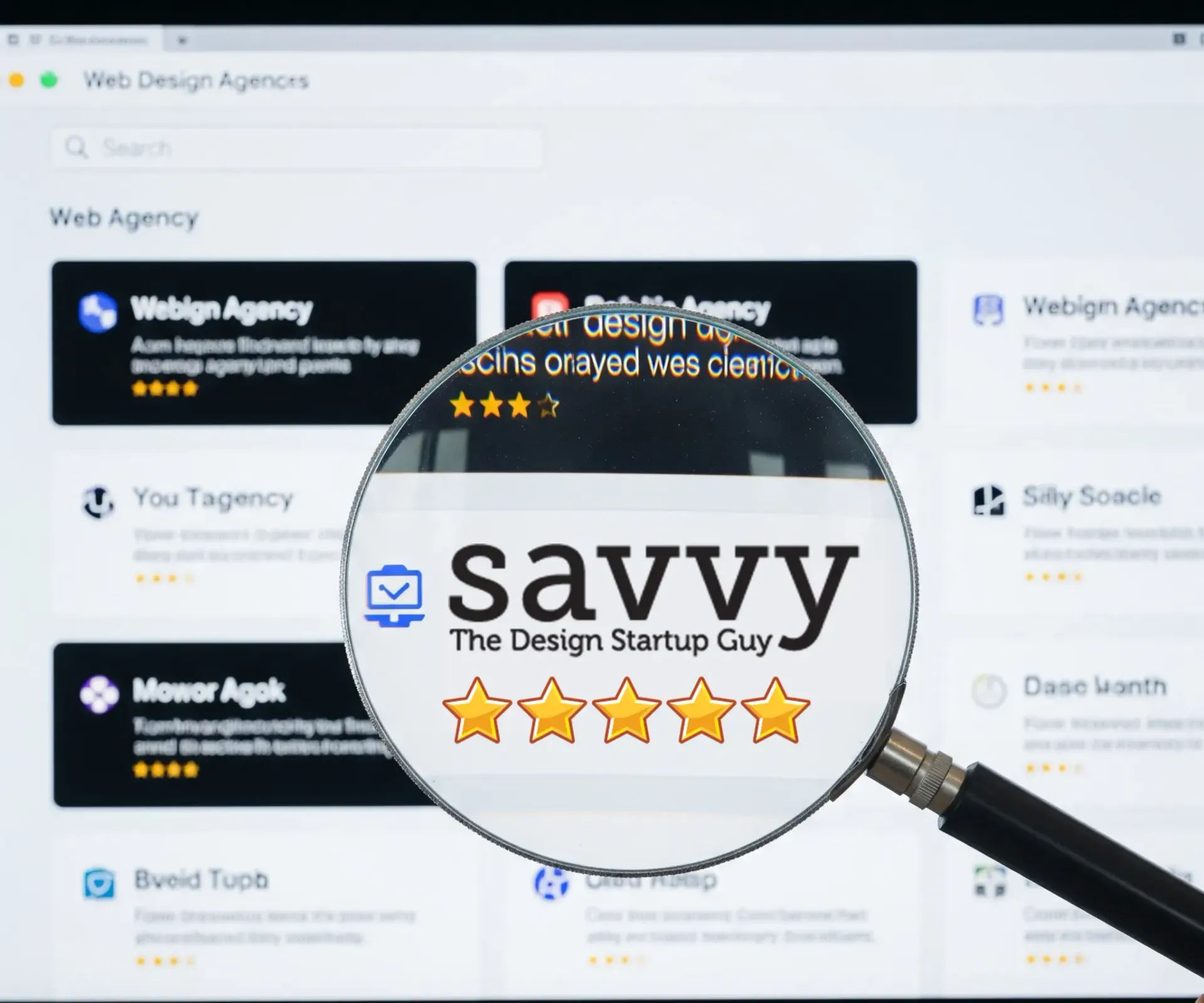
At Savvy Design, we specialise in pay monthly websites that help startups launch quickly without a big upfront fee. Clients often talk about fast delivery, clear guidance, and continuous support. If that approach suits you, a local chat can save weeks of guesswork.


Simple checklist to compare agencies


  •  Goals: Can they repeat your goals back to you clearly
  •  Portfolio: Do you see variety, clarity, and mobile first layouts  
  • Reviews: Do clients mention speed, patience, and support  
  • Process: Is the plan structured with agreed milestones
  •  Cost: Is there a pay monthly option and clear scope  Care: Do they offer updates and advice after launch


Tick most of these boxes and you are on to a winner.


Quick answers to common questions


  • How do I find the best web design agency
    Follow the steps above. Define goals, shortlist locally, review portfolios and reviews, quiz the process, confirm support, and choose value over the lowest price.


  • Where can I find someone to design my website
    Ask your local network, search Google with location terms, check reviews, and look for real case studies. If you are nearby, exploring a local website designer can be a helpful starting point.


  •  What does a web design agency do
    They plan, design, build, and support your website so it meets your business goals. The best ones guide your content, branding, SEO basics, and provide ongoing improvements.


Ready to talk about your startup website


If you want practical guidance and a flexible way to get online, we can help. Savvy Design offers a pay monthly approach, fast turnaround, and ongoing support designed for startups. If you prefer to work with a local web designer who listens and moves quickly, get in touch for friendly, personal advice and a free chat about your goals.


Share this post...
A bing logo with a search bar on a white background.
By Paul Lane January 29, 2026
Here are 4 reasons why you should...
By Paul Lane January 16, 2026
Launching a new venture involves a long list of decisions, and your website sits near the top. Do you build it yourself to keep costs down, or pay a professional to get it right from day one? If you are a UK startup or local business, this guide will help you weigh the trade-offs so you can move forward with confidence. DIY vs paying a pro, what really changes? DIY can be tempting. Templates look slick at first glance, and the monthly fee feels small. If you are comfortable with tech and have time, you can get something live quite quickly. Paying a professional shifts the focus. Instead of learning platforms and fixing problems late at night, you invest in a site that is set up correctly, looks the part, and is built to grow. You buy time, and you reduce risk. Here is how the two approaches compare in practice. Time cost: DIY means planning the structure, writing content, finding images, learning the builder, tweaking layouts, and testing. A professional already knows the patterns that work, so the same job may take days instead of weeks. Quality of build: A designer considers user journeys, mobile layouts, typography, spacing, and clear calls to action. That polish improves trust and conversions. Technical setup: A pro sets up hosting, security, backups, performance optimisation, accessibility basics, and SEO essentials so the site is safe, fast, and findable. The hidden risks of DIY you should factor in When you ask, is it worth paying for a website designer, it helps to count the risks DIY can introduce. Speed and performance: Unoptimised images and bloated themes slow pages down. Slow sites leak visitors and harm search visibility. Accessibility: Colour contrast, focus states, keyboard navigation, and alt text matter. Getting this wrong cuts your reach and can create legal risk. SEO basics: Title tags, meta descriptions, headings, internal linking, structured data, and local SEO setup often get missed. That makes it harder to appear in the right searches. Security and maintenance: Plugin updates, vulnerability patches, backups, and uptime monitoring are easy to forget until something breaks. Legal and compliance: Cookie consent, privacy policy, terms, and basic UK business information need to be handled properly. A professional handles these as standard, so you are not firefighting after launch. Outcomes that matter for startups Your website should help you reach customers and book work. That means clear messaging, quick loading, and a simple way to enquire or buy. A good designer builds for these outcomes from the start. Clarity: Clear headlines, benefits, and next steps tailored to your audience. Conversion: Contact forms, booking links, or checkout flows that work on mobile. Trust: Consistent branding, testimonials, and professional polish that reassure visitors. Local visibility: On-page and technical choices that help you show up in nearby searches. If cash flow is tight, you can still choose a professional route by spreading the cost. How a pay-monthly website makes pro design accessible A pay-monthly website spreads the cost over time while bundling what you need to stay live, safe, and current. You avoid a large upfront fee and still get professional design and ongoing support. What is typically included: Design and build: Pages tailored to your goals and brand. Hosting and security: Fast hosting, SSL, updates, and backups. Maintenance: Regular checks and fixes so the site stays healthy. Ongoing updates: Agreed content and design tweaks each month. SEO basics: Technical and on-page essentials when selected. This model is friendly to startups because it reduces risk. You can launch quickly, learn from real visitors, and improve in small steps. Real-world speed and responsiveness Fast turnarounds matter when you are trying to seize momentum. Recent projects show what is possible with a focused approach. Three-day rescue: One founder had waited six months elsewhere with no result. We rebuilt and launched the site within three days, and it looked better than they had imagined. Their words: What had taken someone else to not even complete in 6 months, Paul completed in 3 days. Clear, collaborative build: Another client said, He LISTENED, and he brought our vision to life. That mix of speed and care helps you launch with confidence. Startup-friendly payments: A new business owner shared, The monthly payment plan helps a start up cashflow planning too. Predictable costs remove one more barrier to getting online. Should you pay for a web designer, and can you pay someone to design your website? If you want a site that loads fast, follows best practice, and frees you to work on the business, paying a professional is often worth it. Yes, you can pay someone to design your website, and with a pay-monthly option, you can spread the cost while getting hosting, maintenance, and ongoing updates included. This gives you professional results without the upfront strain. How much does it cost to hire a website designer? Prices vary depending on scope, number of pages, e-commerce needs, and any bespoke features. Many startups choose a monthly plan that bundles everything into one predictable fee. This is easier on cash flow and ensures you have support after launch. If you need a combined brand and site launch, packages that pair logo creation with the website can be more cost effective than buying separately. If you are comparing options, ask what is included each month, how updates are handled, and what response times look like during busy periods. When DIY can still be a good call You have a simple one-page site and time to learn. You enjoy design and are happy to iterate slowly. You are testing an idea and just need a temporary placeholder. Even then, consider a short professional review to cover speed, accessibility, and SEO basics. Small fixes can prevent bigger issues later. A quick checklist to guide your decision Timeline: Do you need to launch within days or weeks? Time available: Can you realistically spare 20 to 40 hours for setup and testing? Risk tolerance: Are you comfortable managing security and compliance? Growth plan: Will the site need to scale or add features soon? Cashflow: Would a monthly plan make the decision easier? Ready to chat about a pay-monthly build? If you prefer a friendly, local approach with quick turnarounds and ongoing support, our Pay Monthly Design Package could be a fit. It spreads the cost and includes the essentials to keep your site fast, secure, and up to date. Many founders choose it to avoid large upfront spend while getting a professional result. Explore the Business Package to see what is included and how monthly pricing works. Check the What’s Included page for the full breakdown of hosting, maintenance, and updates. If you would like a local chat about your goals, we are your web designer in Cambridge and happy to help. Summary Paying for a website designer is often worth it for startups once you add up time saved, risk reduced, and better outcomes. A pay-monthly website gives you professional design, hosting, maintenance, and ongoing updates for a predictable fee, so you can launch quickly and improve with confidence. If you want a practical path that balances quality and cost, let us help you get online fast, then keep you moving. Thinking it over? Let’s talk about the Pay Monthly Design Package and find the right plan for your launch. Internal links: local website designer: https://www.savvy -design.co.uk/business-package website and logo design package: https://www.savvy -design.co.uk/business-package website design Cambridge: https://www.savvy -design.co.uk 
By Paul Lane January 12, 2026
Wordpress verses my chosen platform...
More Posts