Yet another reason not to have a WordPress site due to the recent PHP issues...
How Are the Recent PHP Issues Affecting WordPress Websites?
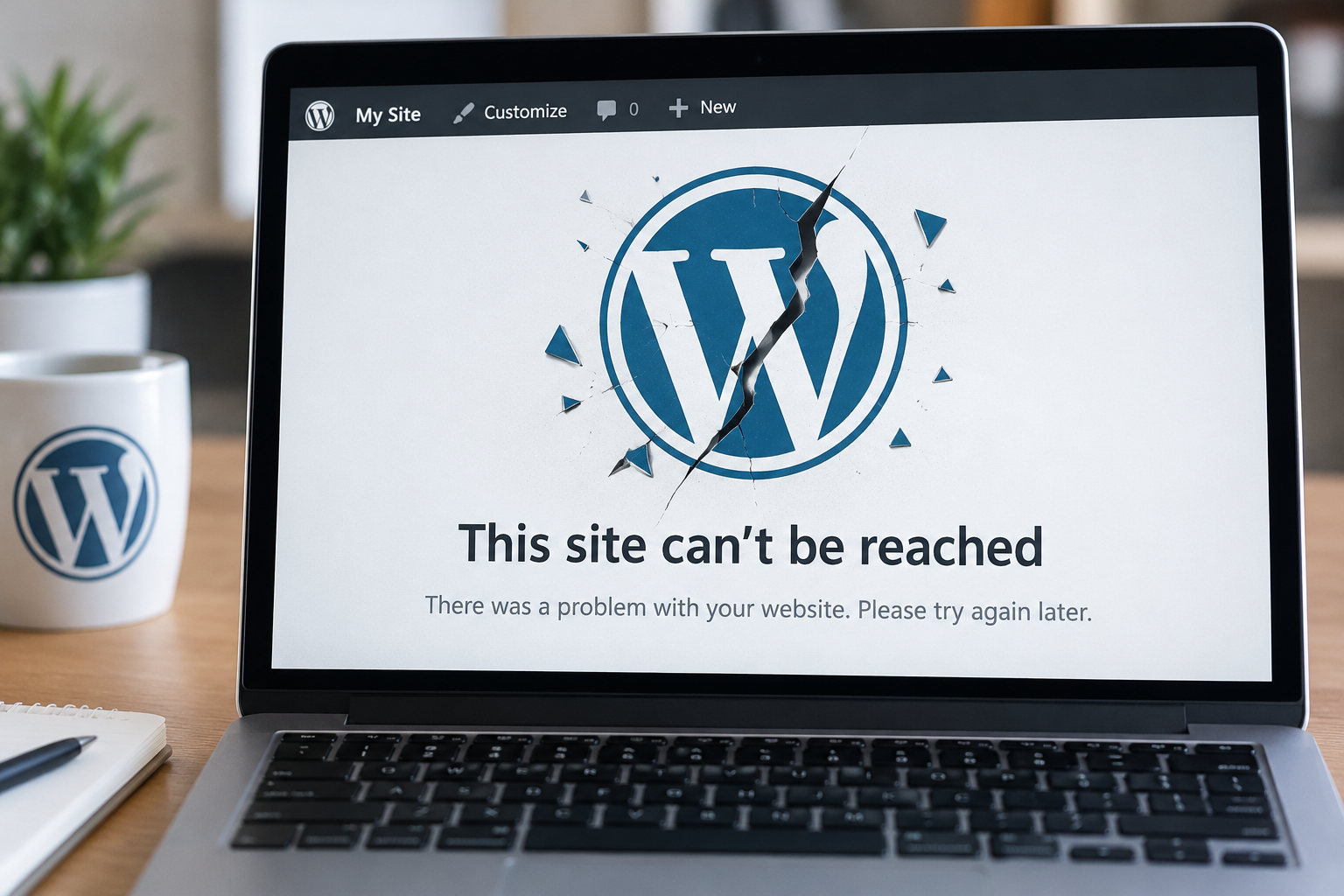
Recent PHP security vulnerabilities have raised serious concerns for WordPress website owners, highlighting the importance of keeping websites updated, secure and properly maintained.
On 21 October 2026, two critical vulnerabilities were disclosed in PHP, the programming language that powers WordPress and millions of other websites. Identified as CVE-2026-109618 and CVE-2026-109619, these flaws could allow attackers to execute malicious code remotely or access sensitive server memory on vulnerable systems. Both vulnerabilities received a severity score of 9.2 out of 10. Source: WordPress.org
1. Increased Security Risks
The most significant concern is the potential for hackers to gain control of vulnerable servers without requiring a website login. Successful attacks could expose sensitive information, compromise website files or allow malicious software to be installed. Businesses could face data breaches, reputational damage and costly recovery work.
2. Website Downtime and Disruption
Website owners and hosting providers must act quickly to apply security patches. Some organisations may temporarily take vulnerable systems offline while implementing fixes. This can disrupt customer access, online sales, enquiries and essential business services.
3. Risks to Website Data and Functionality
A compromised server may put customer information, website databases and administrative accounts at risk. Recovery could require malware removal, password resets, file restoration and a thorough security investigation.
It is important to note that these vulnerabilities affect PHP itself, rather than being caused by a particular WordPress plugin or theme. Updating WordPress alone will not resolve them.
4. How Can WordPress Owners Protect Their Websites?
Website owners should contact their hosting providers immediately to confirm whether the necessary PHP security patches have been applied. Fixed releases include PHP 8.2.35, 8.3.36, 8.4.27 and 8.5.12. Supported versions and compatibility should be checked before upgrading.
Regular backups, updated plugins and themes, security monitoring and strong access controls provide additional protection.
Conclusion
The recent PHP vulnerabilities underline the importance of proactive website maintenance. Acting promptly can reduce security risks, minimise disruption and help keep WordPress websites reliable, secure and accessible.
Share this post...